
Facilitators
Ease by Design: Constructing your practice with intention
Cheryl Jones PhD, RP MT-BC, NMT fellow
During this workshop we will discuss a range of potential speech impairments following an acquired brain injury, the supporting science and the use of neurologic music therapy to address speech rehabilitation goals. It will also explore the use of music for verbal and non-verbal expression for individuals with loss of speech. Participants will have a chance to engage in experiential activities regarding speech impairment and will have the opportunity to learn about music-based speech rehabilitation interventions and to practice them.
Participants will be offered the experience of being non-verbal,and what it is like to communicate with a speech or language-impaired conversation partner. We will use music to explore music-based speech rehab, and the use of music as an expressive outlet.
Music therapists are deeply committed to supporting others, often at the expense of their own energy and capacity. This workshop introduces the Ease by Design © framework, focused on work-life integration, exploring how underlying beliefs about productivity, responsibility, and success can contribute to overextension and overwhelm. Through guided reflection and sharing, participants will examine patterns shaping their work and begin to redefine what a sustainable and aligned professional life can look like. Attendees will leave with practical insights to support greater ease, balance, and sustainability in their clinical and professional practice.
Giving Clients a Voice: Music-based speech rehabilitation and self-expression following an acquired brain injury
Cathy Thompson
“Expressions shared together…”: A framework for a collaborative poetry and music group in long term care.
Cordon Purcell, MA, MTA
Poetry and music often go hand in hand, as seen in Stuff I’ve Been Feeling Lately by Alicia Cook. In this workshop, Cordon will share the 9-week outline of her “Poetry and Music” group, inspired by the groups that she leads at the Glebe Centre. She will also share the finished product of these groups including zines that contain all of the poems and songs. Working together, participants will experience creating a poem based on familiar music just like participants in the group.

Listening With Data: An Experiential, data-informed approach to Improvised active music therapy
Tian Ip MA, RP, MTA & Demian Kogutek PhD, MTA
Participants will learn to use MidiPy, software code for analyzing MIDI data, with electronic musical instruments for data collection and progress tracking for clinical and research purposes. They will also learn how to generate visual graphs for reading and analyzing data. During the workshop, there will be group discussions regarding the practical application of the technologies and support for setup. Participants will walk away with codes for MidiPy downloadable and a guide for setting it up on their computer.
Re-Envisioning Music Therapy Practice in Dementia Care
Laurel Young, PhD, RP, MTA, FAMI
Music therapists have been working in dementia care since the inception of our profession and have long recognized that music is unique and multifaceted in its ability to support persons living with dementia to realize their quality of life potentials. Research is helping us to better understand and articulate why this is the case. However, music therapists are often limited in the services that they offer in dementia care settings (for various reasons). Through interactive discussions, real-life examples, and experientials, this workshop will support attendees to philosophically and practically [re]envision how they can deepen and expand (i.e., re-envision) their scope of music therapy practice in dementia care.

Big Dreams and Bargaining with Burnout
Kimberly Dolan, MMT, RP (qualifying), MTA
In a field rooted in compassion and creativity, many music therapists identify as “big dreamers”—vision-driven, multipassionate, and deeply committed to meaningful change. But what happens when that drive becomes unsustainable? This experiential, discussion-based workshop explores burnout through both personal and professional lenses, weaving current research with lived experience in music therapy. Through storytelling, group reflection, and practical demonstrations—such as expressive check-ins, radical self-love practices, and micro self-care—we’ll examine how to sustain ourselves in under-resourced, high-impact work. Participants will leave with tangible tools, renewed connection, and a sense of solidarity—ready to keep dreaming, without burning out.

Trans-Formative Voices: Heart centered advocacy & therapy with 2SLGBTQIA+ neuroqueer community
Alexa Monroe Choquette BMus,CMT, MACP, RP(qualifying), MTA &
Mackenzie Costron BMT, MTA, RCT
Participants will experience a blend of experiential voice-based activities and reflective learning centered on gender-affirming voice therapy and neuroqueer-affirming care. Through guided exercises, case-informed examples, and lived experience, attendees will explore how loving kindness, trauma-informed practice, and accessibility can shape inclusive experiences. The workshop will include opportunities for collaborative reflection and discussion around identity, belonging, and advocacy. Participants can expect to leave with practical strategies, new perspectives, and foundational skills to support gender-affirming and neurodivergent-affirming practices in their own work.

Integration of Music Therapy & Psychotherapy By Dually-Trained Professionals
Jessica Jurgenliemk, MTA, CCC
This presentation is designed particularly for those who have received training or credentials in both music therapy and psychotherapy, and serves as an opportunity for these dually-trained professionals to reflect within our community on their ideal and real use of both identities and approaches. Participants will be guided to consider three separate themes—personal mindset, structural approaches, and advocacy—as facets of both struggles and solutions related to integrating music therapy and psychotherapy practice. Time will be allocated for the group to reflect inwardly, participate in discussions, and use music as a reflective medium. Participants are encouraged to bring blank and/or lined paper for personal reflections, and a device for accessing the full reflexive guidebook.

The Ripple Effect of Regulation: An ecological lens on 'Living Songs' for trauma-informed caregiving.
Dominique Piqugard, BFA, MTA
How does a caregiver's internal state shape the safety of a child's world? In this session, we explore the "wounded healer" framework, examining how personal history can inform clinical intuition while maintaining professional boundaries. We will move beyond theory to practice by introducing "living songs"—dynamic, evolving musical interventions designed to stabilize caregivers during high-stress moments.Using a specific "Hygiene Song" as a case study, we will demonstrate how rhythmic, predictable lyrics can serve as a structural container for parental self-regulation. Participants will learn how this technique transforms potentially triggering routines into opportunities for connection and body positivity. Finally, we will broaden the scope to show how this ecological approach is adapted across diverse populations—including grief, trauma, and special needs—to create a ripple effect of safety that extends from the parent to the child.

Walking with the mirror: Music therapy interventions to reflect Herman’s stages of trauma recovery
Judith Herman’s triphasic model of trauma recovery (1992) provides an effective framework for music therapy interventions. In this presentation, Homewood’s east-west music therapy team (Kirsten, Kaitlyn, and Anthony) will outline the treatment needs of these unique client populations and demonstrate how music therapy supports PTSD symptom management, expression of grief, and social re-connection. Three group music therapy interventions will be demonstrated with audience participation/interaction, each exploring the stages of “safety and stabilization”, “remembrance and mourning”, and “reconnection and reintegration” through musical and interpersonal interaction.
Kirsten Davis MTA, MA, RCC, Kaitlyn Bergbusch MMT, RP, MTA and Anthony Fragomeni MMT, RP, MTA
Using Expressive Arts in Trauma Work: Integrative approach
Aksana Kavaliova RP, MTA, NMT
An integrative approach in trauma work means that a therapist is not only trauma-informed but also equipped with specific knowledge of how to be trauma-focused. Askana is trained in several psychotherapeutic trauma approaches, including eye movement desensitization and reprocessing (EMDR) and integrative trauma attachment treatment model (ITATM). In her work, Askana integrates talk therapy with somatic work and expressive arts with music therapy. The attendees will learn about the basics of trauma work and experience a few techniques that can be used for resourcing the clients or for trauma processing.
Promoting Creativity and Enjoyment in Music Improvisation by Drawing on Insights From Film Music
Stephen Tok, MMT, MMus, RP, MTA, FAMI
Inspired by film music and Stephen’s clinical work in the acute mental health setting, this presentation will take attendees on a journey of creativity through reflexive group listening, discussion, and improvisation. Attendees will be invited to experience the effects of film music and to identify the special characteristics that allow music to evoke imagination and emotion so easily. An opportunity for group music improvisation will be offered to experience how the creative use of film music and its techniques can be applied to therapeutic settings. Attendees can expect to be re-inspired in their creativity and to enhance their music-centered skills for clinical improvisation with clients.
Who Gets in the Door?
Carol Olympus, MMT, PGDAE, BS &
Abdallah Nofal, MMT, RP(Qualifying), MT
Attendees will participate in a hands-on role-play simulation using character cards and system layers to map “who gets in the door” of music psychotherapy, then engage in a guided discussion unpacking structural and systemic barriers. They will experiment with brief, symbolic music/sound responses (e.g., sonic metaphors for access, waiting, or being shut out) to connect social critique with music psychotherapy practice. They will collaboratively workshop equity-oriented clinical responses and advocacy ideas, translating insights from the workshop into concrete practitioner choices. Participants can expect to walk away with a practical framework and facilitation skills for using role-based, justice-focused activities in their own clinical, educational, or community settings. The overarching aim is to critique systemic barriers rather than place the onus on individual resilience
The Cost of Caring: Compassion fatigue and burnout in music therapists
Adrienne Pringle, MMT, RP, MTA
Take an hour to focus and reflect on tending to yourself. In this workshop, we will learn about compassion fatigue and the risks of burn out specific to music therapists. Through music listening, discussion and reflection you will have time to cultivate your personal care plan. We will work together to create personalized daily, weekly, monthly and on-going ways to check in with self, connect to your clinical practice, and replenish your inspiration for your work as a music therapist.
Music and Energy Journey
Chrissy Pearson BMT, RP, MTA, FAMI &
Daiva Zemaitis, MTA, NMT
The music and energy journey is a unique experience that combines music, imagery, and Reiki healing. Chrissy and Daiva will share the serendipitous story of how the music and energy journey came to be. They will share reflections from the collaboration process and the considerations they had to make in creating this offering. Bringing these two healing arts together created an opportunity for both practitioners to expand beyond their typical day to day work. Chrissy and Daiva hope to inspire participants to collaborate with those outside of their profession as a way to enrich their practice. Participants will be invited to immerse themselves in a music and energy journey. They will experience a specialized program of music. Chrissy will provide introspective prompts and Daiva will provide Reiki healing throughout the music listening. Afterwards, there will be time for journalling or drawing and group sharing.
In this workshop, Nicola will introduce an improvisational practice that she calls environmental vocal exploration (EVE). She will briefly describe the concept and then we will experience this work through singing in the Perth environment – in the park, along the river, in a stairwell… She examines the use of the voice as a listening practice when singing in place as a way to change perceptions of the self and the environment. Through mindfully improvising in place using the voice, participants will explore how this act can be integrated into their own lives and work.
Environmentally Engaged Music Therapy: Seeking increased personal awareness through singing as a listening practice.
Nicola Oddy PhD, MTA
Beyond the Band-Aid: Using mindfulness and dialectical/behaviour therapy (DBT) skills to strengthen clinical impact
Kelly Howard DBT MT-BC and
Janice Lindstrom DLS, MT-BC
This workshop introduces music therapists to dialectical behavior therapy (DBT) skill frameworks, with particular emphasis on mindfulness as the foundation for emotion regulation and distress tolerance. The session begins with a brief instructor-led overview of core DBT concepts, highlighting how mindfulness can function as a structured clinical intervention rather than simply a relaxation technique. Participants will engage in large-group experiential exercises that demonstrate practical ways to embed mindfulness skills within music therapy sessions. In small-group breakouts, attendees will design and share DBT-informed mindfulness interventions tailored to specific clinical populations, leaving with adaptable strategies that support sustainable client growth rather than short-term relief.
Expanded Awareness is a ‘Royal Road’ to Post-traumatic Growth
Larissa Zoubareva, MA, RP, MTA, MT-BC, FAMI
Expanded awareness experiences are commonly reported in the Bonny method of guided imagery and music (GIM), a method that integrates psychotherapy and spirituality. This phenomenological self-study investigated these experiences within altered states of consciousness and identified the depth of transpersonal experiences in GIM Therapy. It focused on integration into daily life, particularly post-traumatic growth. A convergent mixed-methods design was used to gather qualitative data from 10 weekly GIM sessions and quantitative psychophysiological measures, including heart rate variability and the mandala assessment research instrument. Findings indicate that these experiences correlate with improved mental health and emotional resilience.
Music Therapy and Reiki within Eye Movement Desensitization and Reprocessing (EMDR) Therapy
Nicholas Scott, MA, MTA, NMT, LCT-C
Nicholas will define and demonstrate the use of musical and non-musical interventions used within EMDR Therapy at Music & Soul: Music Therapy and Wellness Services. Within EMDR there is an 8 phase model that offers a template as to how to navigate sessions with clients. The EMDR model also serves as an anchor for music therapists to utilize when supporting various populations across the lifespan dealing with overwhelming lived experiences. Participants will have opportunities to explore via discussion, workshopping new ideas, and exploring musical interventions, how music therapy and EMDR therapy are complementary when addressing the residual effects of adverse lived experiences. Participants will have an opportunity to create two resources for themselves that they can adapt to use with their clients in their own practices. Participants will learn how they can place challenging memories, pain or distress in a container. They will also learn about the happy/secure place, where one can utilize music or visualization to create a special place within their mind that offers sanctuary from distressing experiences.

How to Talk to Caregivers: Drumside manner from a parent perspective
Elizabeth Bentz, MA, NMT, BC-MT
In this presentation, music therapists will hear from a music therapist and caregiver who has both personal and professional experience giving and receiving health information. This presentation provides insights from various sources on best practices when giving health information, including difficult topics, to caregivers. Through this presentation, participants will gain basic knowledge of the dynamics and processes of a therapist-client relationship and how to respond to the dynamics of musical and interpersonal relationships that emerge at different stages in the therapy process.
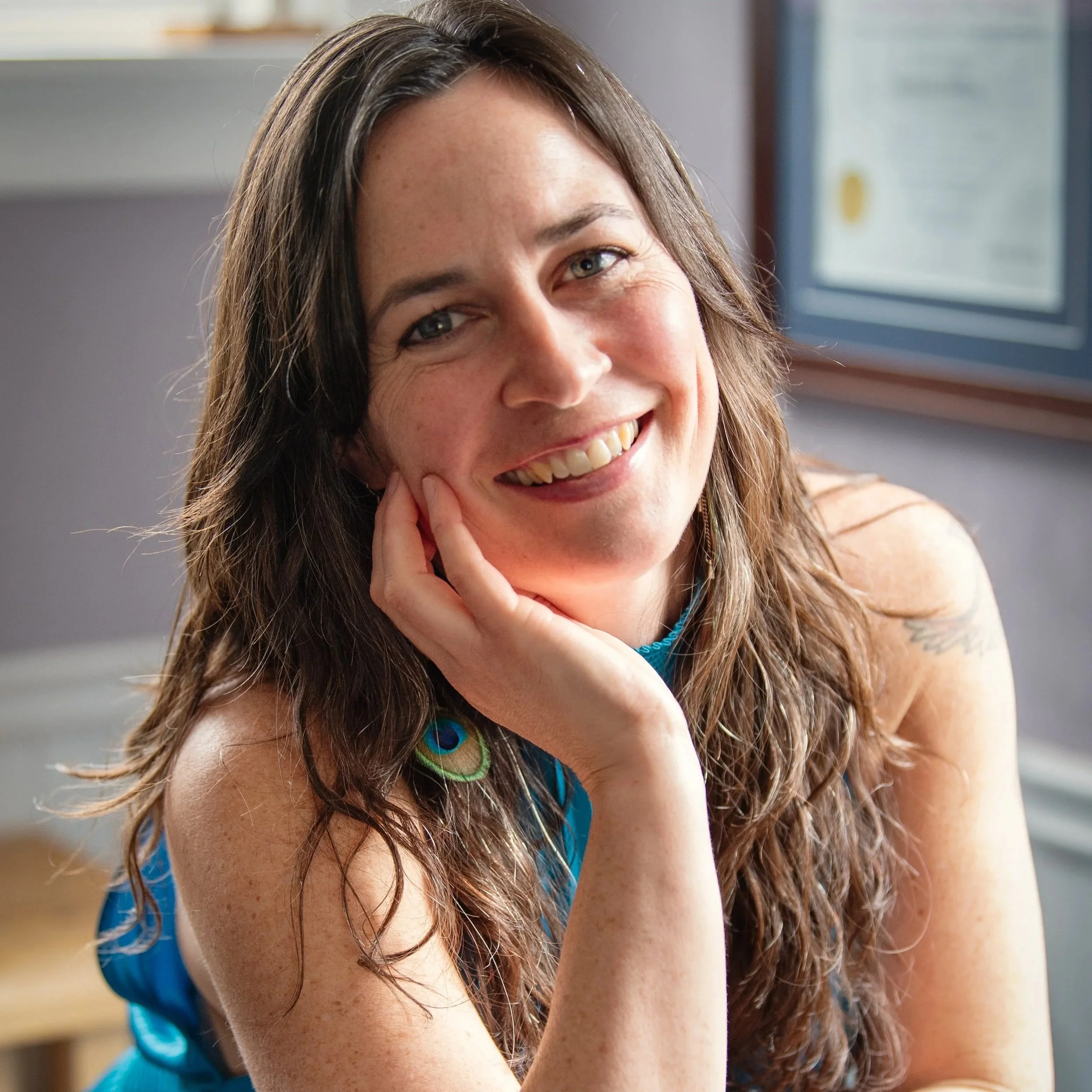
Music and Imagery: Awakening the guide within
Hannah Parks, BMT, MTA
In this developing technique, Hannah mixes imagery with HeartMath and mindfulness to create stand alone workshops in collaboration with a local wellness centre. She facilitates an accessible class where community participants who have minimal experience in music or music therapy can build skills in focused listening and imagery generation. These skills help participants strengthen intuition, process deep emotions and improve clarity in every day decision making in alignment with their values. Her workshop will be an experiential "class" in this technique, with an opportunity for symposium participants to offer feedback.
In relationship therapy, clients and therapists work to de-escalate conflict and restructure bonds. This kind of work requires both partners to access significant emotional vulnerability in the presence of the person(s) who may have hurt them most. Using emotionally-focused therapy (EFT), trained therapists invite clients into tasks that validate, deepen, express and explore the emotional content. Often, metaphors, imagination and memory are used to assist partners to access the material that could heal the relationship distress. In this workshop we will use original songs and structured improvisation, showing ways to assist clients in accessing, softening, and expressing attachment messages between partners.