
Diane Austin
Denise Grocke
-
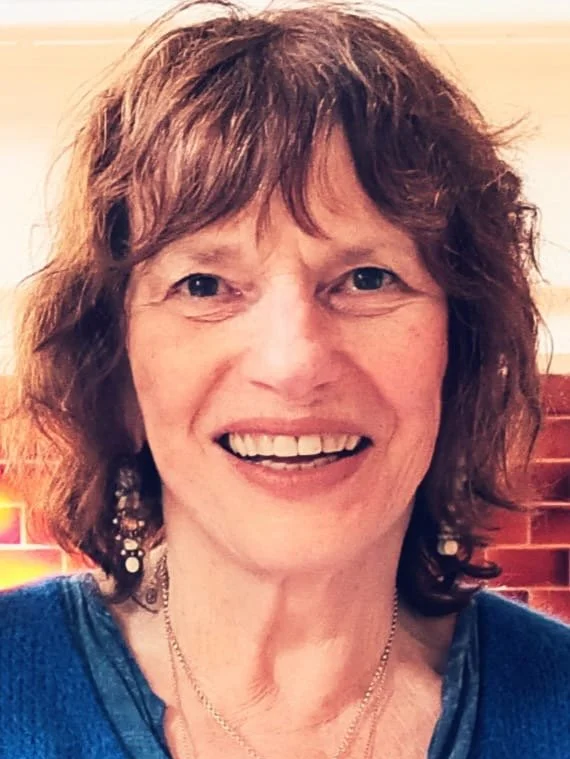
Dr. Diane Austin, DA, LCAT (she/her), is the Director of the Music Psychotherapy Center in New York, NY, where she has maintained a private practice in music psychotherapy, vocal psychotherapy, and supervision for over 40 years. Dr. Austin developed the first voice-based model of music therapy, vocal psychotherapy, and has taught international distance training programs in Vancouver, B. C., Seoul, South Korea; Brighton, England; and New York City. She leads workshops worldwide and has published numerous articles and book chapters on in-depth music therapy and vocal psychotherapy. Her book, the Theory and Practice of Vocal Psychotherapy: Songs of the Self, published by Jessica Kingsley, codified her model. Learn more at www.austinvocalpsychotherapy.com or contact her at diane@dianeaustin.com
When the Psyche Sings: An experience of Austin Vocal Psychotherapy
During this workshop participants will have an experience of Austin Vocal Psychotherapy, the first voice-based model of music therapy. By engaging in sound, movement and vocal improvisations, there will be opportunities to explore, and discover the power of connecting with one’s own authentic voice.
-
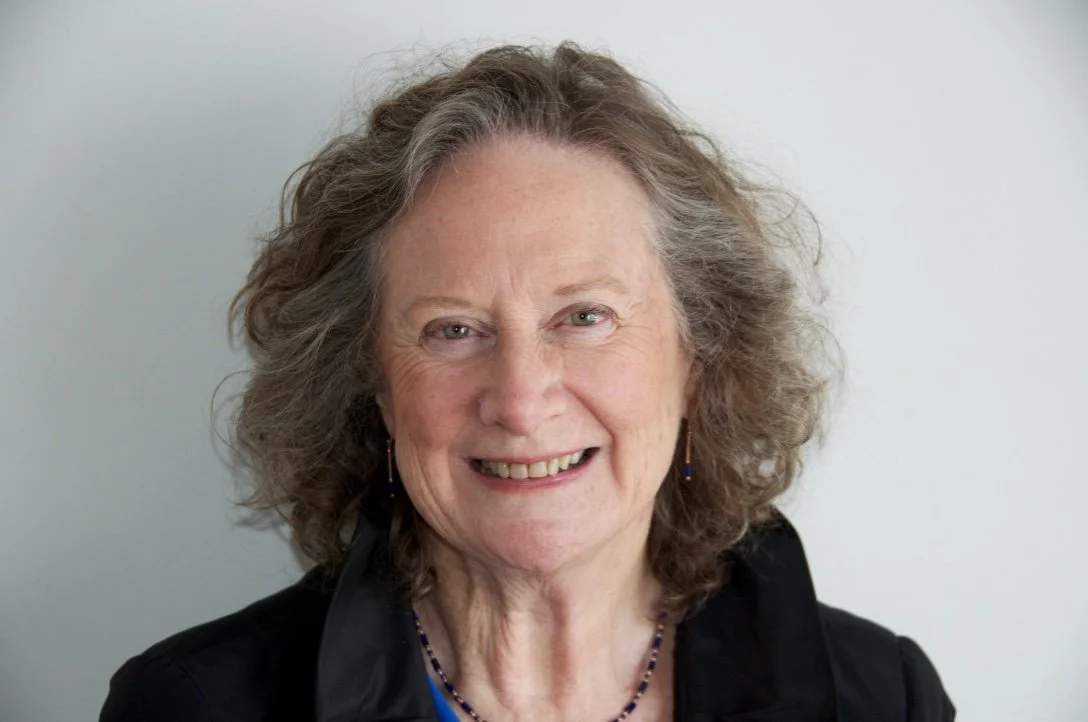
Emeritus Professor Denise Grocke, PhD, RMT, RGIMT, FAMI, L. Mus., completed her music therapy qualifications at Michigan State University, USA, and holds a Master’s in Music Therapy and a PhD in Guided Imagery and Music (GIM) from the University of Melbourne. She has worked with people living with mental illness, neurological disorders and dementia, and is a Fellow of the Association for Music and Imagery (USA).
She established the University of Melbourne’s music therapy course in 1978, leading it for 33 years, and directed the National Music Therapy Research Unit (NaMTRU) from 1998–2012. She also co-founded the International Consortium of Music Therapy Research Universities in 2002.
A former President of the World Federation of Music Therapy and co-founder of the Australian Music Therapy Association, Professor Grocke has published extensively and received numerous honours, including the Order of Australia (AO) in 2016 for her pioneering contributions to music therapy.
Scaffolding Music and Imagery Experiences
In this workshop Denise will demonstrate a range of approaches used at the heart of Receptive Music Therapy practice. The workshop will follow a scaffolded experience beginning with focussed listening, followed by an introduction to the imagination and how it opens and inspires our life experiences. We will explore a music & imagery experience, followed by Music, Drawing, Narrative (Booth, 2005-2006). The workshop will be designed to demonstrate these approaches for young people living with mental health concerns, through to palliative care with individual clients and groups.
Booth, J. M. (2005-2006). Music, drawing, and narrative: An adaptation of the Bonny Method of Guided Imagery and Music. Journal of the Association for Music and Imagery, 10, 55-74.
A Creative Recharge:
Music-Making with Soön, a Music Therapists’ band
-
Dany Bouchard
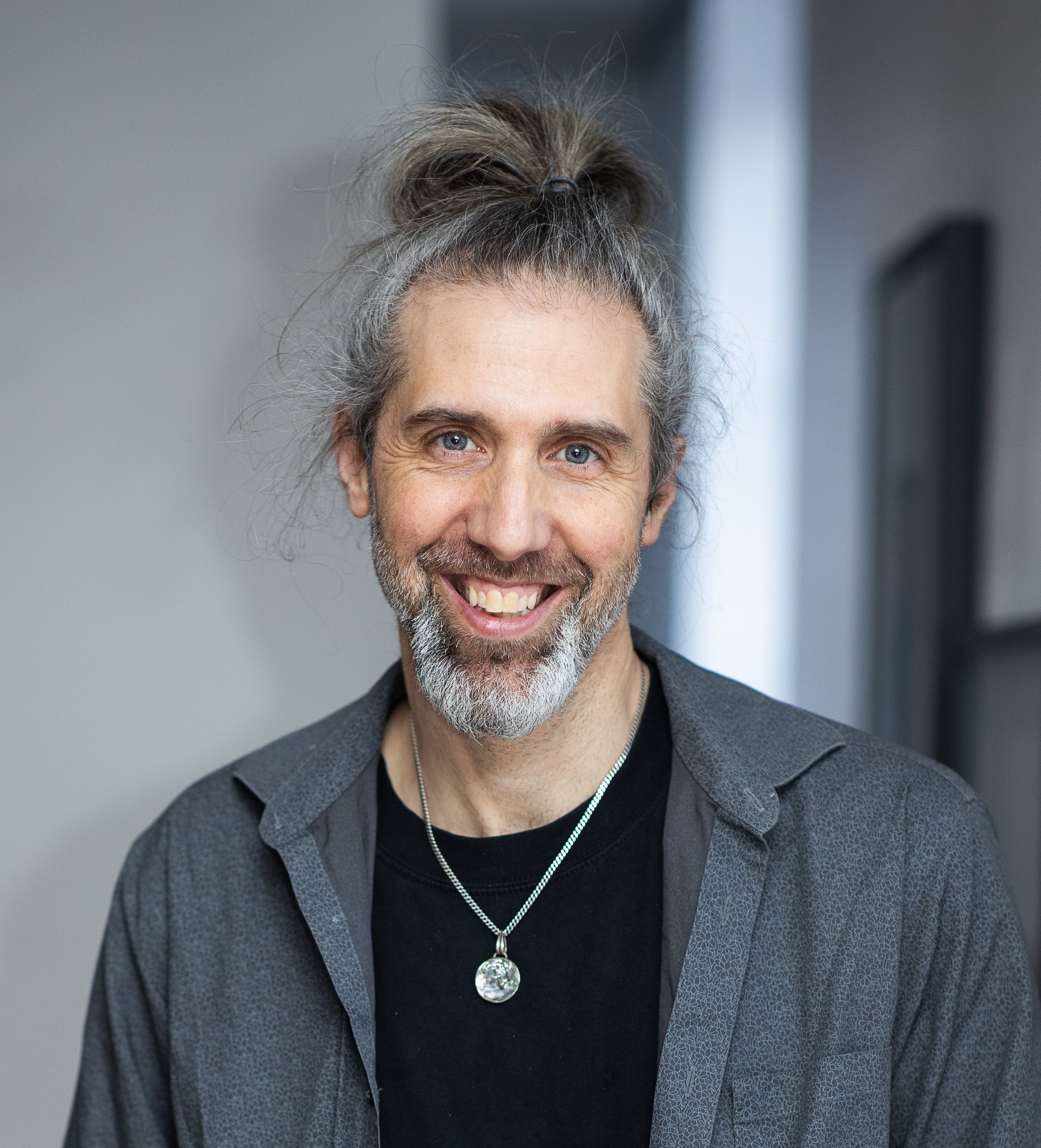
Dany Bouchard, MTA, B.Mus. Since 2006, Dany works in the adult psychiatric department of the McGill University Health Center (inpatient unit and outpatient clinics) and at the mental health community organization “Les Impatients”. He also co-directs the mental health choir “MusiArt” and has produced their three albums of original songs.
-
Daniel Kruger
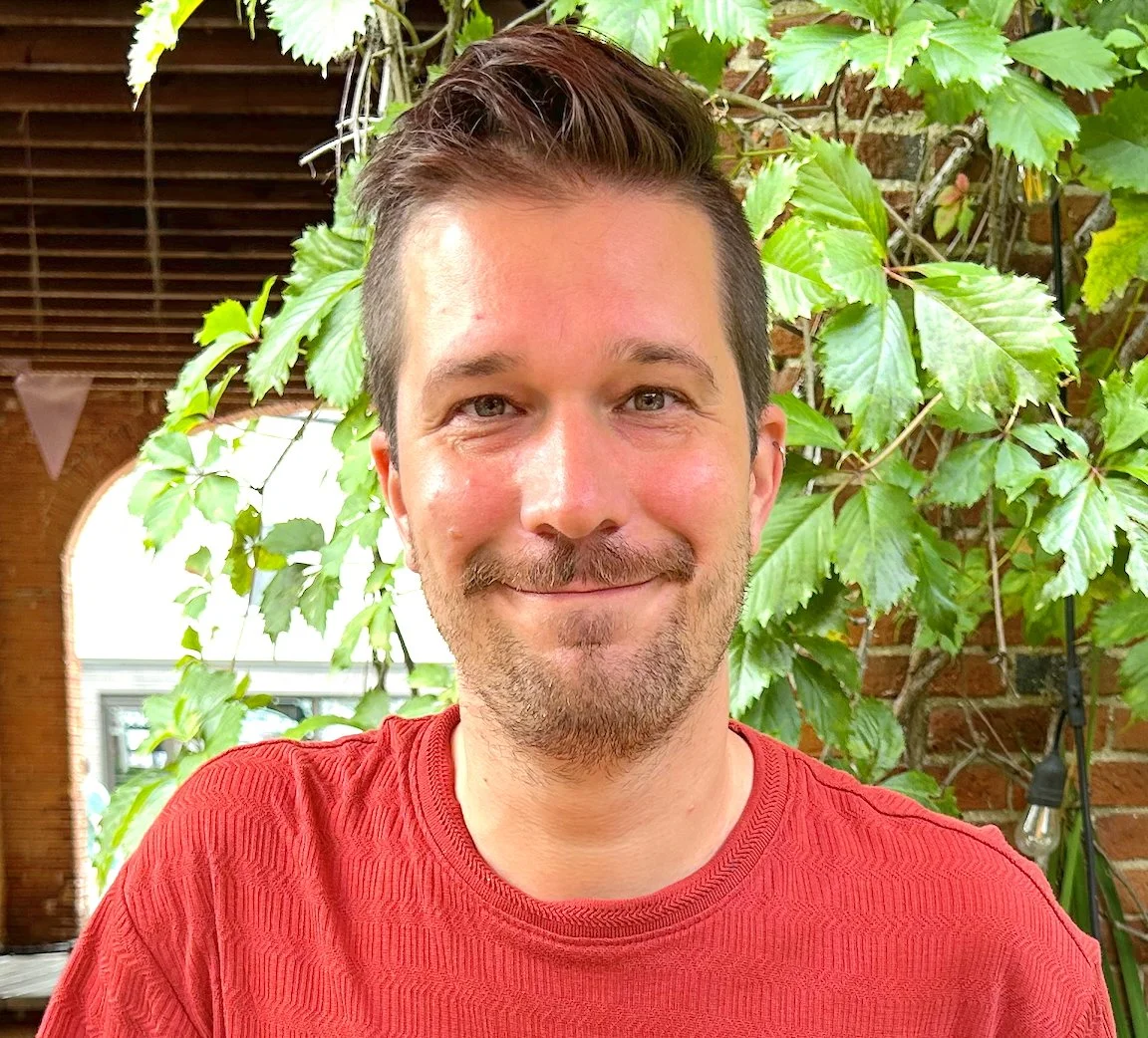
Daniel Kruger, MTA, MA, is an improviser, guitarist, composer, and music therapist living in Tio’tia:ke/Montréal, Québec. His clinical work takes place at the Douglas Mental Health University Institute, where he accompanies children and adolescents as they strive to achieve their mental health goals. Daniel is also an active performer and composer in the creative/improvised music scene in Montréal.
-
Julie Migner-Laurin
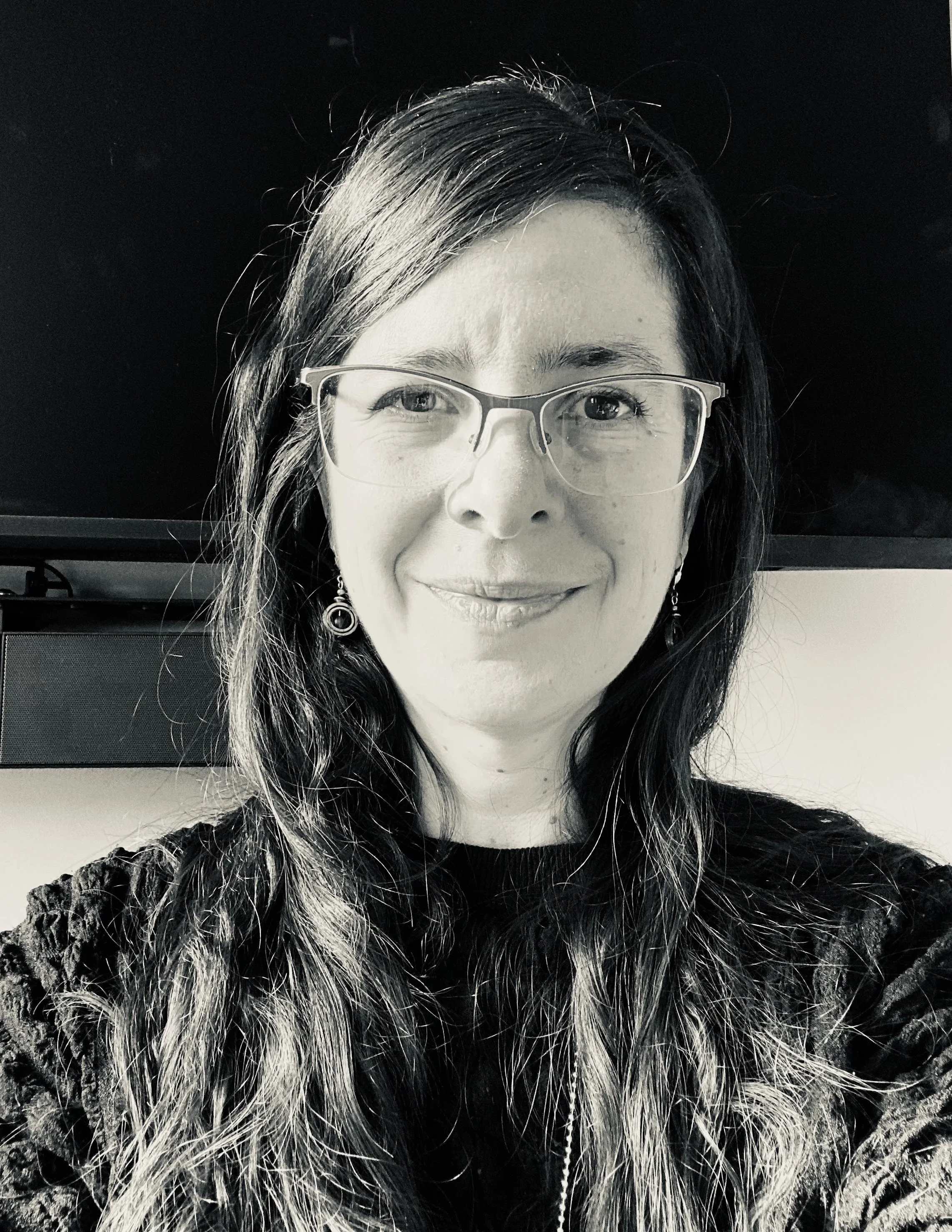
Julie Migner-Laurin, Psy.D./Ph.D., B.Mus., works in the Adult Psychiatry Department at the McGill University Health Centre and maintains a private practice in clinical psychology, music psychotherapy, and supervision. Interested in the similarities between creative and therapeutic processes, her doctoral research examined the interpretive attitudes and practices that facilitate transformation in music therapy.
-
Julien Peyrin
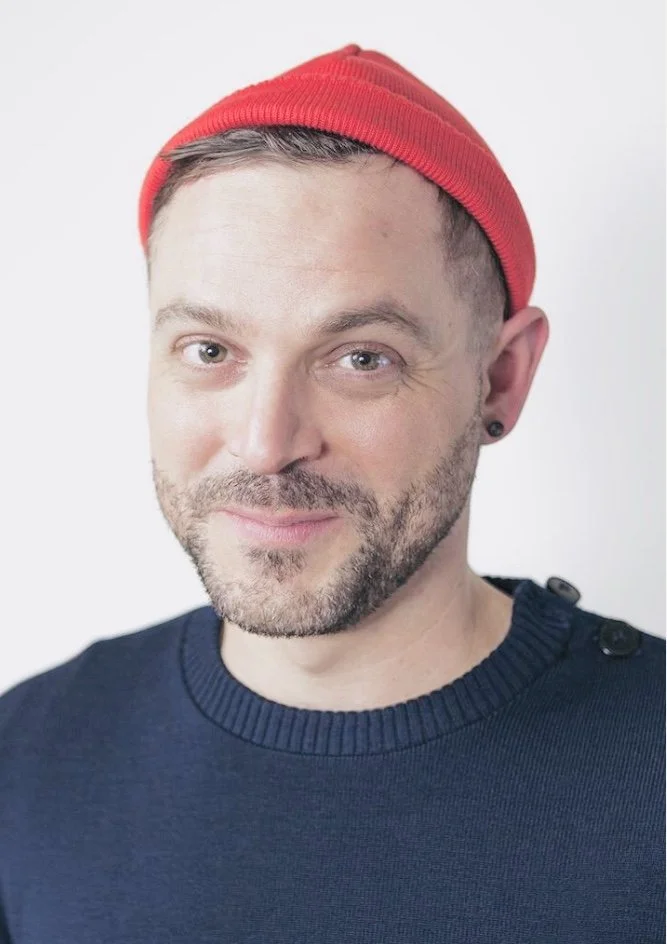
Julien Peyrin, MTA, MAMT, has nearly eighteen years of experience working with community organizations and hospitals who serve adolescents and young adults living in vulnerable situations due to mental health, homelessness, and/or addiction. His professional approach focuses primarily on social inclusion and the implementation of innovative tools dedicated to affect regulation and stress management.
Soön is a Montreal-based band of four music therapists who work in mental health. We gather around shared musical tastes and a desire to fulfill our musical needs beyond clinical practice. Early in our collaboration, we recorded a mini-album of original songs. In 2017, we traveled to Japan to present on the particularities of a “music therapist band” and the importance of engaging in our own creative process. Since then, we have maintained regular jam sessions at the studio of one of our members, and continue to explore and deepen our creative connections.
In all caregiving professions, self-care beyond the clinical setting allows us to recharge and remain fully present for our clients’ needs—it is an ethical responsibility. We firmly believe that actively nurturing our creativity through music-making (and other forms of artistic expression), is essential for music therapists. By engaging in the joys and challenges of the creative process ourselves, we walk the same path we invite our clients to explore.
Maintaining an active musical practice alongside a career as a music therapist is not always easy. One way for our community to nurture our musical practices is by creating ensembles with fellow music therapists. In this workshop we hope to inspire and nurture our musical practices by musicking together! Come experience what we strive to offer our clients: excitement, risk-taking, vulnerability, freedom, attentive listening, and compassionate presence.
The workshop will unfold in three immersive stages:
Improvisations with audience members on both traditional and electronic instruments, which will be recorded.
Replay of one selected improvisation, followed by a writing exercise and an invitation to add vocal contributions to the replay.
Collective creation, where participants will use the material generated to record a track-by-track collaborative piece.
Throughout the workshop, participants will be introduced to a range of techniques, from basic recording to more advanced methods, including a visual demonstration of the recording software used. Regardless of your technological starting point, the goal is to inspire you to explore the tools offered by new technologies—and, above all, to spark the joy of making music together!